As an island nation with many miles of coast line, some of our fellow gardeners are doing so in some pretty challenging and at times hospitable conditions.
I grew up in St Andrews on the east coast of Fife. Although not right down by the beach I still experienced the cold har rolling in from the North Sea that still fills me with shivers today when I think of that cold, damp blast that covered us when towns and villages inland were basking in glorious sunshine! Then spare a thought to the poor plants being grown by the gardeners down by the seaside maybe from another part of the world not so used to growing in such conditions.
Don’t get me wrong, I loved growing up by the sea where us humans and plants still had plenty of sunny days to enjoy, the bucket and spade playing in the sand of my childhood eventually progressing to a wheelbarrow and spade playing in the soil later in life.
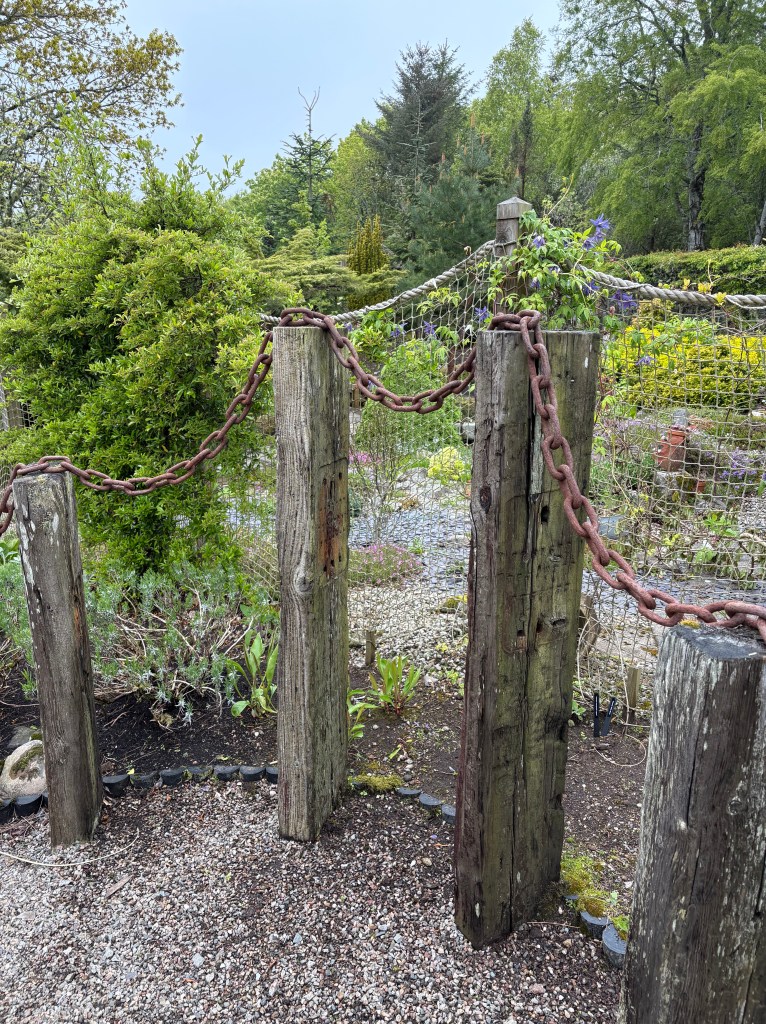
Whether it was sunny or grey, there always seemed to be the one constant and that was the wind, the salt laden air that could burn plant foliage and strong gusts that could knock plants over laden all combined to make it particularly tough for plants to thrive and survive here being only really suitable for an elite group of plants.
Eucalyptus pauciflora subspecies niphophila is one such plant that’s does so. It’s botanical name may be a bit of a mouthful this gum is is one of the best for Scottish gardens featuring grey-green foliage and trunks of flaking bark. They grow quickly being one of those plants that if you turn your eye off them for more than a moment have grown to over 10m tall. To be fair, the chances of that happening in a garden on the coast are pretty slim with it more likely to be blown over before that point. It’s one of those plants that actually benefits from being chopped down to near ground level every few years to encourage a plant with many stems, and kept at a more reasonable height.
With new plantings in a coastal garden or indeed any garden on an exposed site, the affects of the wind is something to consider. Often we go for the biggest plant we can get our hands on, often in too much of a rush to see the finished look of our garden straight away. Yet it’s often smaller plantings that will establish into their new home more quickly and adapt to their new environment better.
A tall, new plant that’s not got the root system to support itself will likely get blown about by the wind. This wind rocking tears the delicate roots that are trying to develop and grow in the soil meaning the plant has to constantly start over again, never being allowed to get established properly which could ultimately lead to its death.
The leathery leaves a Eucalyptus has is one of the reasons it does well in a seaside garden. Other similar plants such as Hebe and Olearia x haastii from New Zealand possess this same attribute as well as being fleshier, so are also able to handle the drying effect the constant winds of the coast has on plant foliage. A plant can be damaged or be killed when its roots simply cannot keep the leaves replenished quickly enough to function properly.
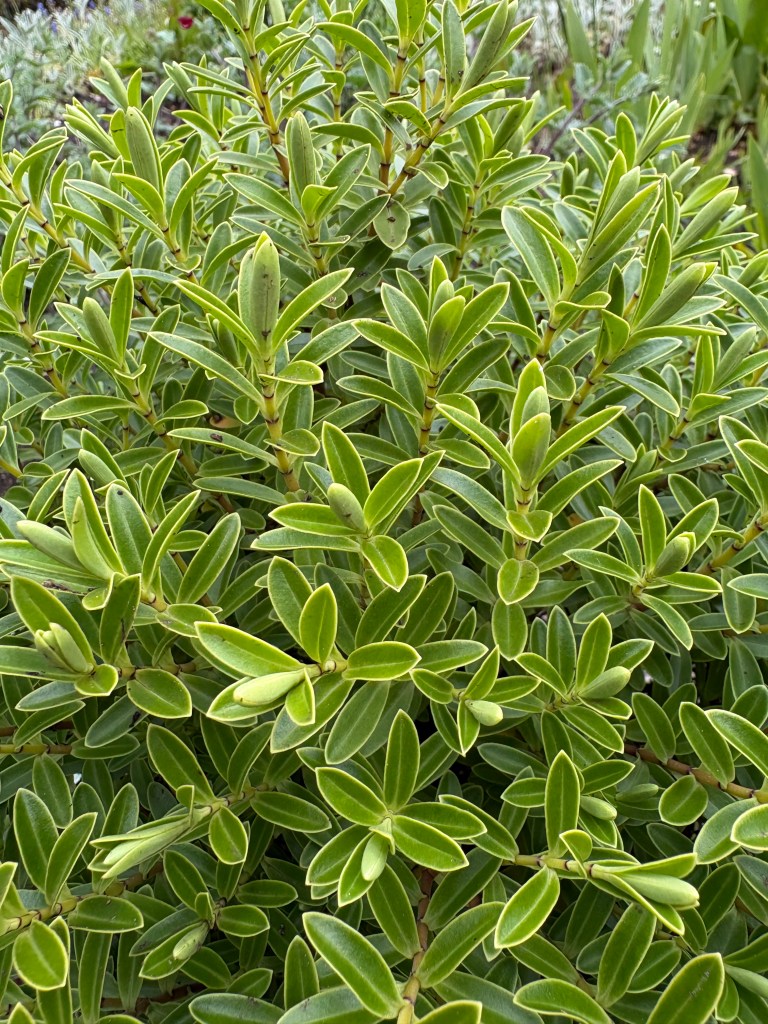
Thicker leaved plants are also have the additional bonus of better which coping with the more intense light levels found on the coast which can receive up to 300 more sunshine hours a year compared to those growing higher up the mountains.
Soil conditions found in a seaside garden are challenging often lacking in the sufficient balance of nutrients that plants require, due to the soil being sandy and so free-draining. Getting plants to establish in the first instance can often be tricky but the addition of organic matter such as compost, leaf mould or manure will help improve its ability to hold onto moisture that little bit longer. Not just in the planting hole either, I would go as far as preparing the soil an area of a metre squared for a single plant with it being placed in the centre. This addition may just be all that is required to get your plant growing in the first place.
The results of poor soil in any garden can make it feel like it seems impossible to get any plant to grow and live longer than the first summer after it’s planted. That’s where I’d try a little trick by growing plants in my garden that are good self seeders, with two examples for a seaside garden being the tree lupin, Lupinus arboreus, or Centranthus ruber with its ruby-red flowers. Let the resulting seed these plants will produce after flowering be blown around your garden by wind or transported by ants to find their own spot in the soil that contain those perfect conditions where they know themselves will help them survive.
first published in The Weekend supplement of The Courier & Press and Journal newspapers Saturday 30th May 2026

