When I first started my gardening career all these years ago, pretty much thirty-six years to the day, never in a million could I have imagined just what it would go on to give me, considering at that point I shared the stereotypical attitude of many that gardening was only about grass cutting and weeding. During this time, I’ve worked in some of our country’s most beautiful gardens, visited the wild and rugged mountainous landscapes of the Swiss Alps to see plants growing in their natural habitats. I even getting the honour for writing about and talking gardening for you here each weekend and on national television through The Beechgrove Garden. All on the back of grass cutting and weeding!
As I continued to grow in life, I soon became fascinated about the healing properties of the garden space and how gardening can be a great way to help people enhance their health and well-being. Thankfully for the vast majority for us we are physically able for this to be straight forward but is sadly not so for everyone. However, by simply making a few adaptive changes to tools, garden layouts or how we carry out the tasks in the garden, the hobby so many of us love and enjoy can be accessible to everyone no matter what physical, psychological or social barrier is in the way.
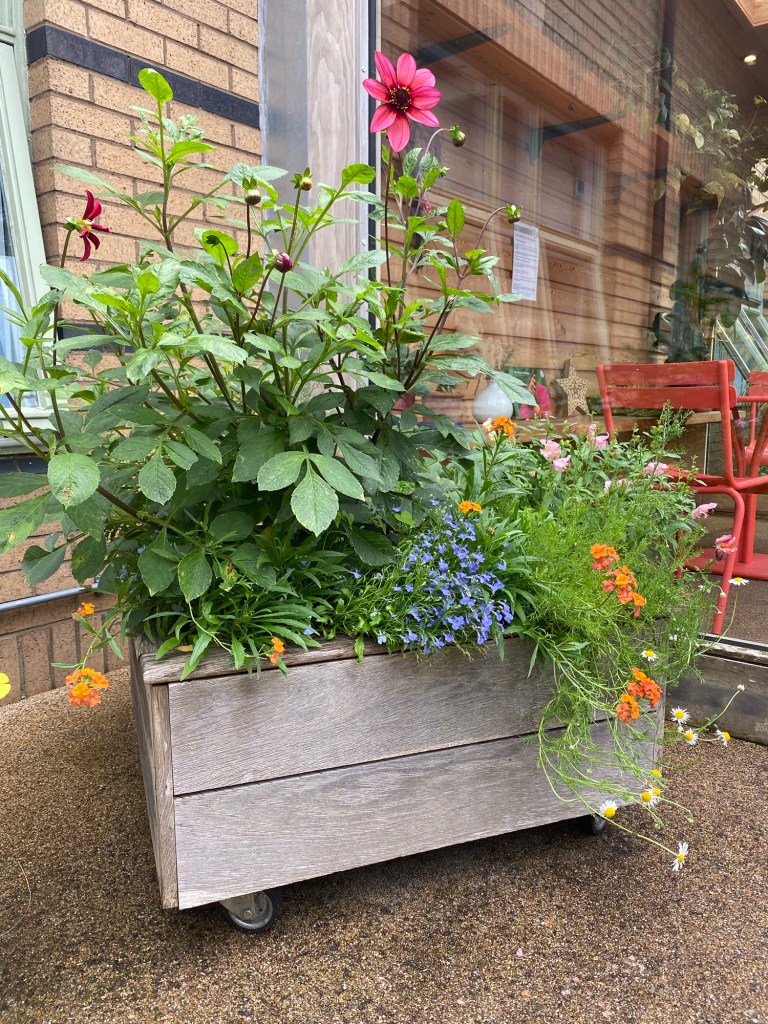
Dementia, a syndrome that affects the function of the brain, is something that is becoming more familiar to us, it’s estimated nearly 90,000 people in Scotland are living with this meaning in our lifetimes there’s a good chance at some point we’ll know someone living with dementia. It pleases me to know the peace, tranquillity and activities found in the garden can be used in the therapy for dementia, also offering much needed respite for their carer.
Gardening provides the exercise for physical health benefits to the large and small muscle groups and also provides multi-sensory stimulation from the colours and scents of the plants and from sounds of the wildlife living with them. Gardening provides an opportunity for the individual to relieve tension, frustration and aggression, bringing about a more positive mood change. Caring for plants can help alleviate a feeling of helplessness and of being dependant on others.
A simple garden layout is essential for people living with dementia who may easily feel disorientated, so for that reason, aim to create a circular journey around the garden avoiding dead ends or multi-intersection routes which may cause confusion.
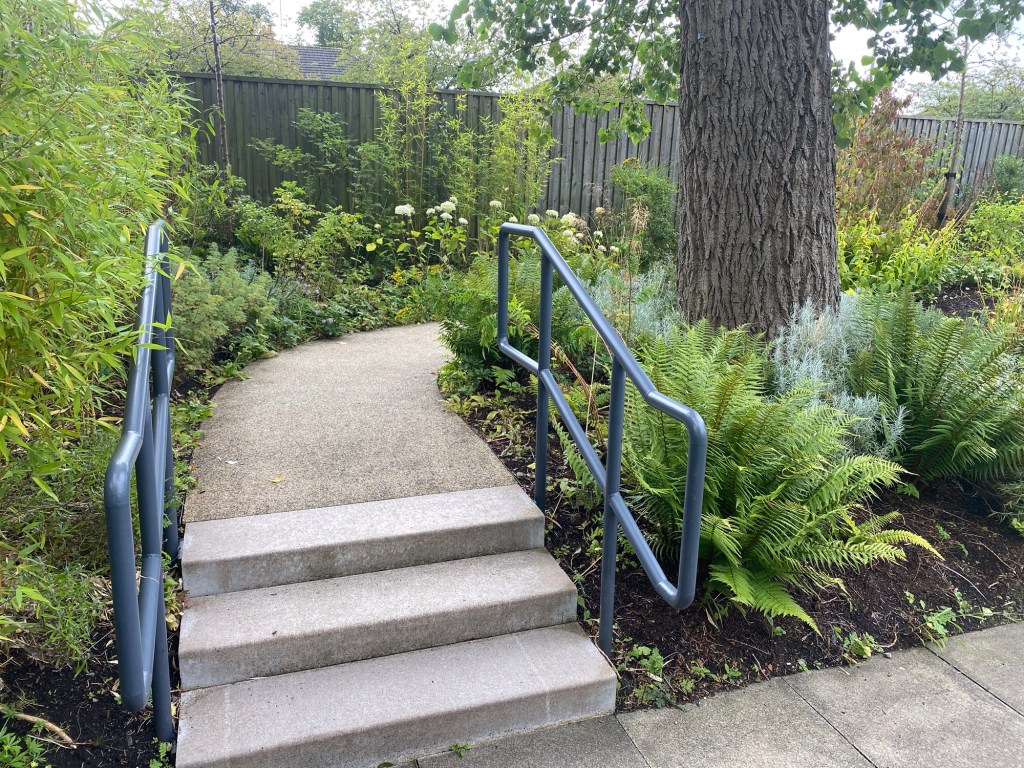
Pathways should be low in glare, ideally the surface smooth avoiding steep gradients and steps. Where this can’t be avoided fit handrails for those who have difficulty in walking, making these bright and easy to identify. As people with dementia tend to lose physical skills and abilities over time, paths should be clear and wide enough to cope with mobility aids and wheelchairs with helpful concrete edging to keep them from rolling into lawns or planting beds.
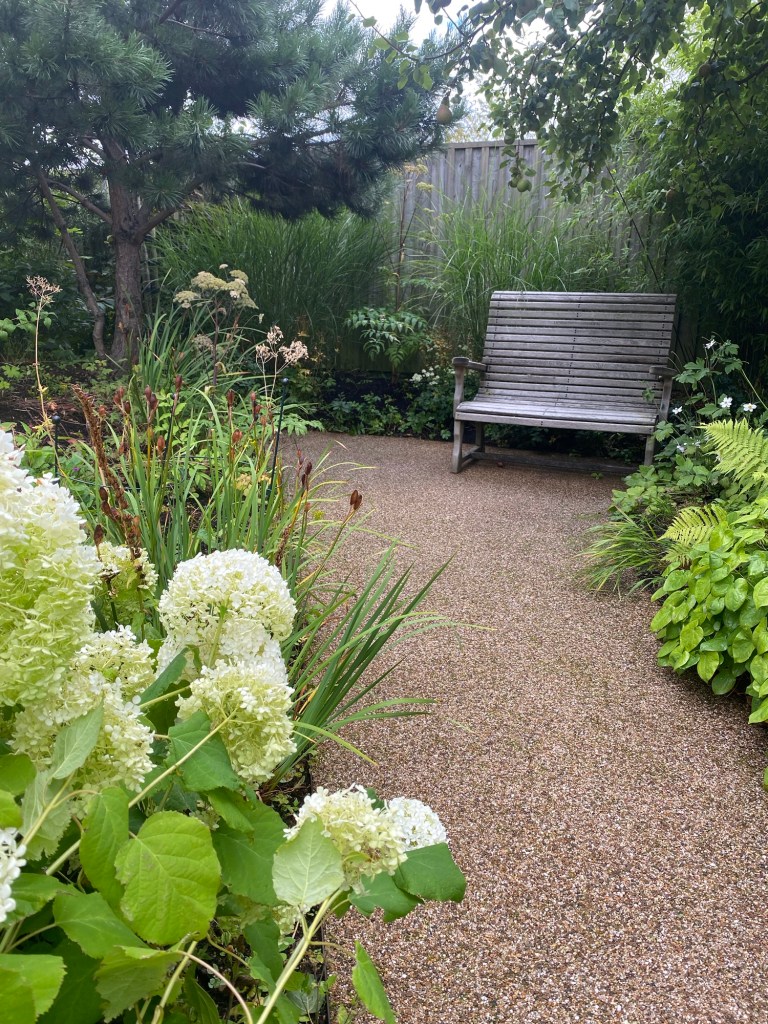
A well-positioned bench which may include that for a wheelchair, provides resting places for peaceful contemplation. Incorporate birds feeders so individuals can enjoy the pleasure of watching bird activity, whilst an enclosed garden will help keep wanderers in thus providing safety and shelter. Aim to keep fencing and walls inconspicuous disguised by climbing plants such as Ivy, Hydrangea and clematis. Avoiding the likes of roses where the thorns may cause injury.
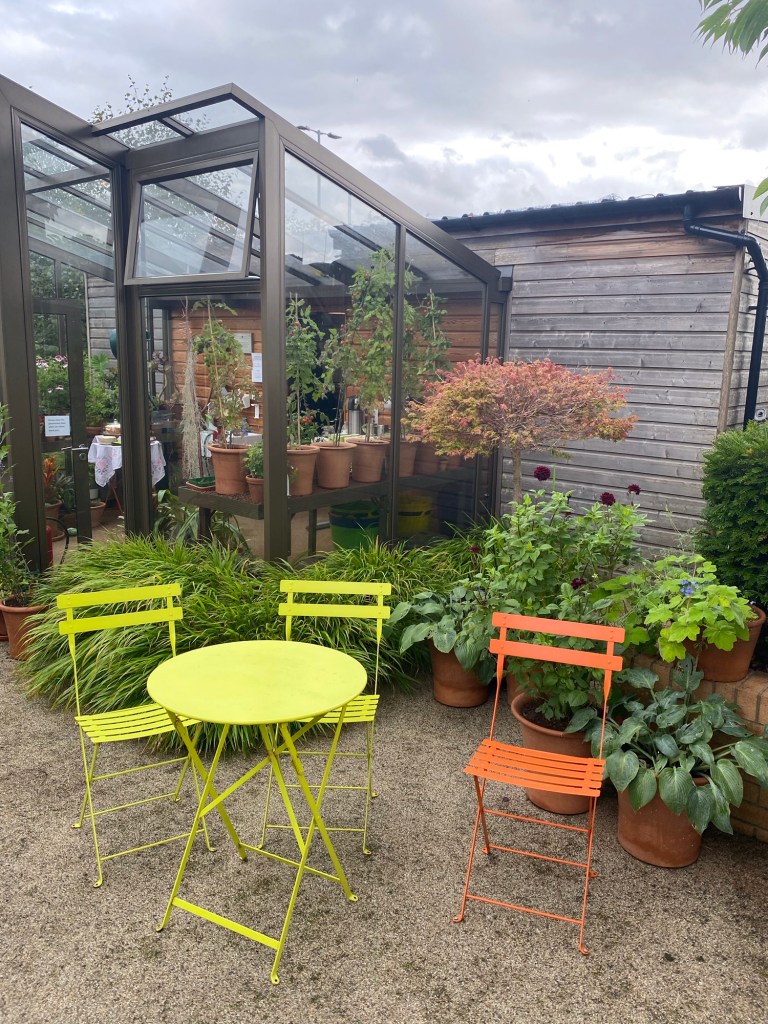
Aim to create a garden environment that is high in contrast, make the paths one colour with furniture like benches another colour or different material so that they stand out from one another and the surrounding plants. An area providing protection from the sun may be helpful as certain medications can make the skin more prone to sunburn which can be achieved through plantings, a pergola or portable parasol.
At the same time, avoid creating large shadowing areas created by dense trees and shrubs which can be perceived as out of bounds or off putting. Use light and airy large plantings like Japanese maples, cherry or birch trees. Dark areas in the garden are also not helpful to older people who have trouble with their sight and problems with their persecution e.g. a dark manhole cover could look like a hole in the ground.
Perennial plants provide a host of opportunities. When choosing, consider specific disabilities that deny use of one or more of the senses such as impaired vision. Place plants so that they can be easily touched, smelt and reached using the likes of herbs and Lavender that when brushed will release their scent. Position tactile plants like Rodgersia or grasses on the corner of beds and paths which can be used to help navigate them. If the individual has recently been diagnosed, include them in the decision-making process choosing plants that they like.
There’s lots of evidence to support the power of therapeutic gardening with numerous established projects operating up and down the country. If you would like to find out more information on these or considering making changes to the garden of a dementia sufferer you know, please take a visit to the website of Trellis Scotland, the home of therapeutic horticulture in our country.
First published in The Weekend supplement of The Courier and Press and Journal newspapers Saturday 13th June 2026

