How sad it was to read that the Dundee Botanic Garden is looking at closure and its skilled garden staff amongst 190 others across the whole University of Dundee facing redundancy as part of measures to cut costs. If the proposal was to go ahead, what a loss to the Dundee community and visitor experience to the city this would be.
I first became aware of the garden back in the 1990’s when I would make a stop here when attending Ninewells Hospital as part of my treatment for type 1 diabetes. Looking back now, I realise my time walking around the garden to take in its magnificent plant collection was part of my treatment, using the outdoor space to relax and destress during anxious moments when I was adjusting to life with the condition and the complications that come with being a diabetic.
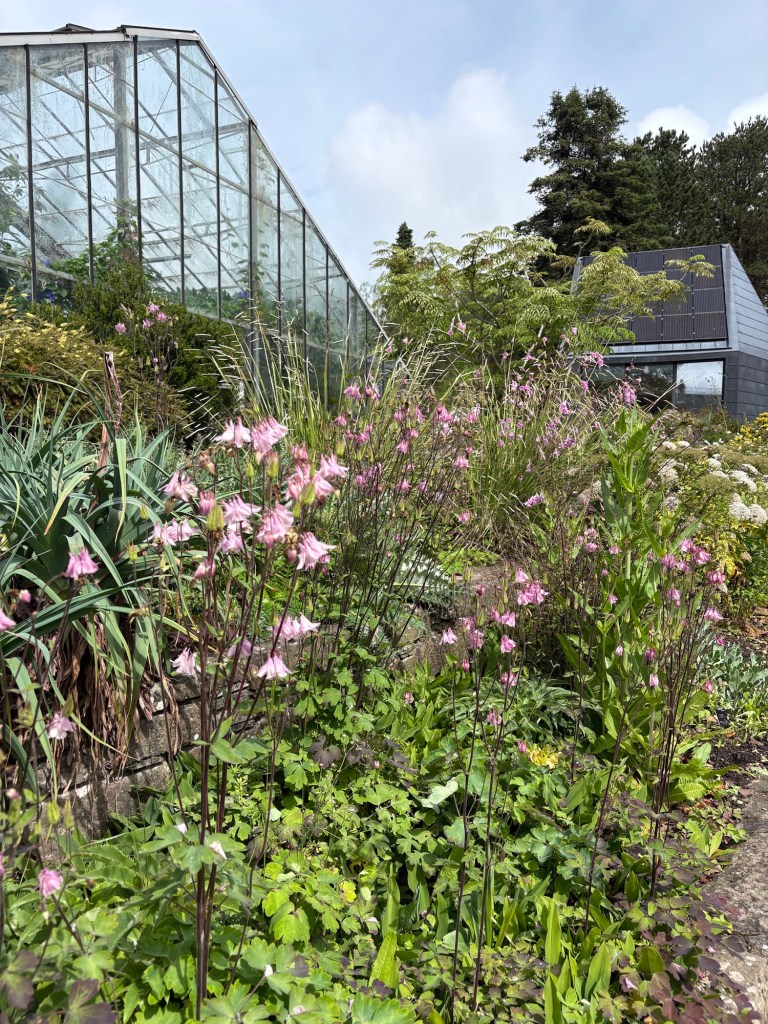
You can tell just what an asset this is to horticulture from the moment you pull into the car park. Phlomis, valerian and a cotoneaster cascading over a retaining wall create a bank of colour to welcome you. A visit today would see this continue around and compliment the pointed roof architecture of the office building I’ve always admired, plantings of white flowering Cistus, sky blue geranium, mossy foliaged saxifrage and pink aquilegia.
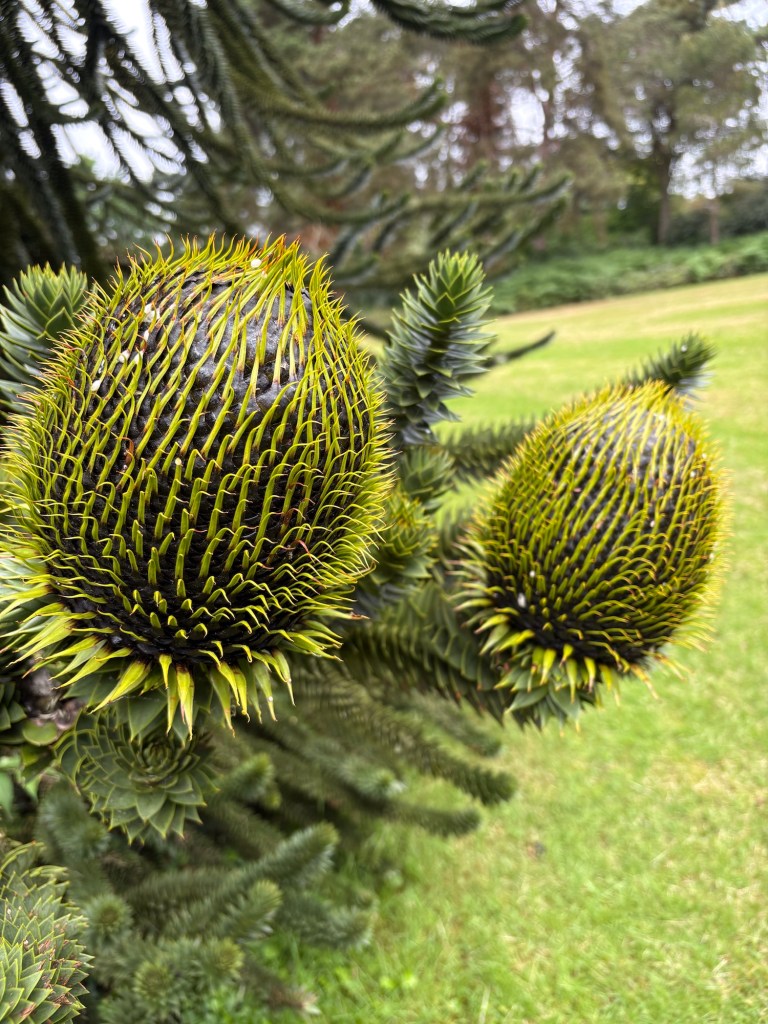
These lead the visitor onto well manicured lawns and the shrubberies around them. A specimen of the plant of the moment, Cornus kousa, so laden with flowers I don’t know how it’s managing to hold itself up. Monkey puzzle trees from Chile, starting to produce seed cones the size of my hand. A sight I’ve not seen from any other monkey puzzle tree growing in other gardens I’ve visited.
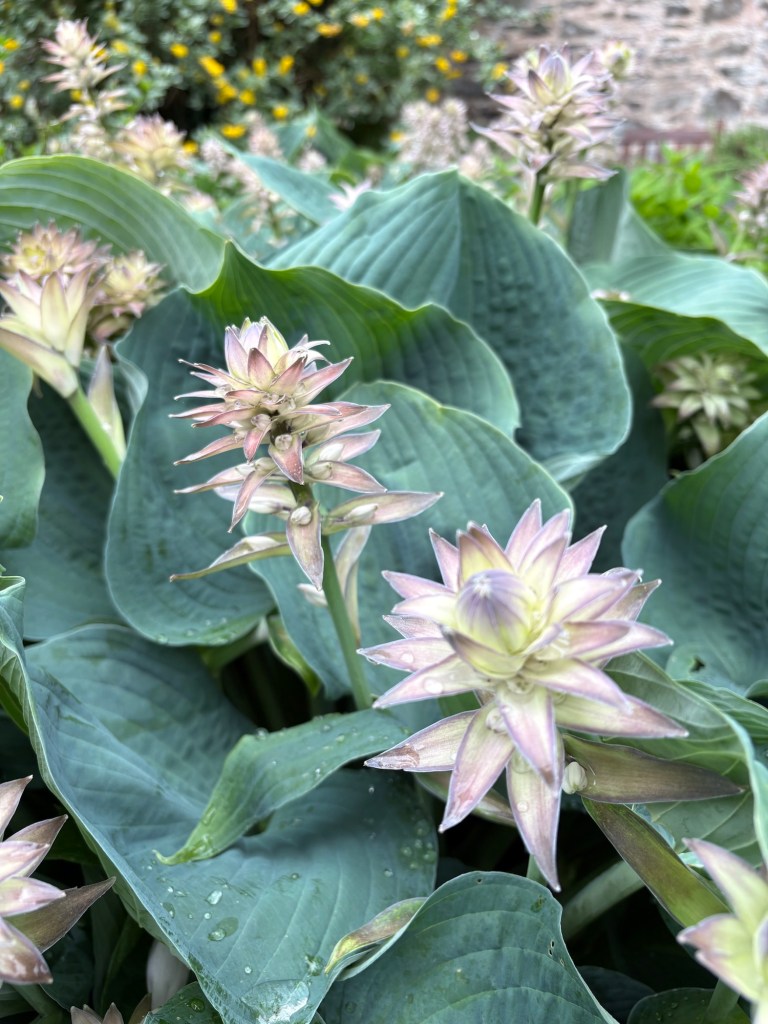
In the Good Grief Garden that celebrates the value of life with plants, art combines with classic garden plantings. A glaucous-foliaged Hosta with stems of forming flowers that look quite exotic at this stage, the purple of a low-growing geranium combined with the musk scent of a pink bloomed rose all flourish with the silver foliage and yellow flowers from the Pineapple Broom plant in the background
The main feature here is the SiMBA Tree of Tranquility. Hand-crafted, life-sized sculptures made from steel, each leaf (made from copper) on the tree represents a baby who has died.
The nine and a half acre garden is long and thin, the open space divided up into smaller pieces over the years by young conifers. Some may be up to 50 years old planted when the garden was first established in the early 19070’s but considering they have the potential to live for many hundreds of years, they’re still wee bairns in my eyes. Like the Giant Redwood, Sequoiadendron giganteum, doing better here in Scotland these days than in its native California.
Just as I thought the garden was coming to its end point, a gap in a shrubbery containing a grove of Monkey Puzzle trees took me too a peaceful spot, one where I was able just to sit and enjoy the quietness of the garden. Here, not only was I able to enjoy a moment of solitude, but also in the air the scent of a nearby mock orange clothed in white flowers from head to toe, filled the air.
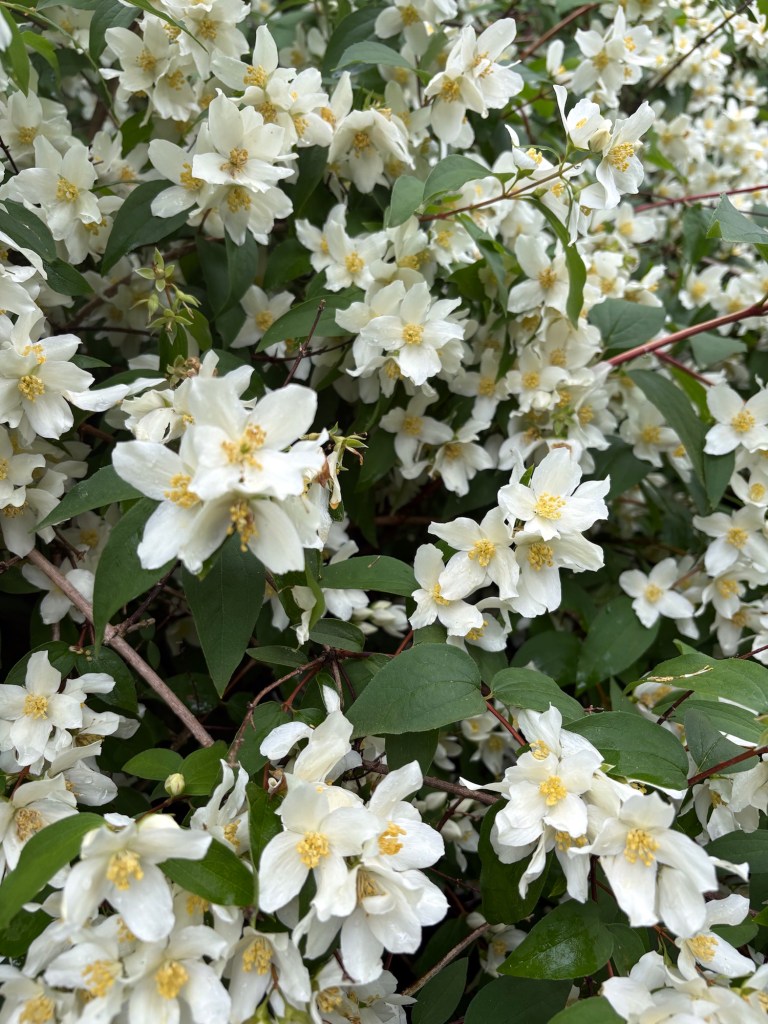
It’s a great garden for stimulating the senses. The varied scents you get as you walk through each part of the garden, and I mean each. Something Peppery then sweet, breaking the general aroma from that of a woodland garden. Maybe it was just the weather on the day that enhanced these but I don’t think I’ve ever been to a garden where my nose has worked has hard as my eyes.
During my visit the well constructed paths were being used by garden and plant lovers like myself, families, strollers and wheelchair users. A garden accessible to all which is how they should be taking us all on a trip around the world, the plants of China being one of my favourites. In dense shrubberies, thickets of bamboo grow amongst Magnolia, towering above these are the drooping branches Pyracantha fortuneana covered in white flowers.
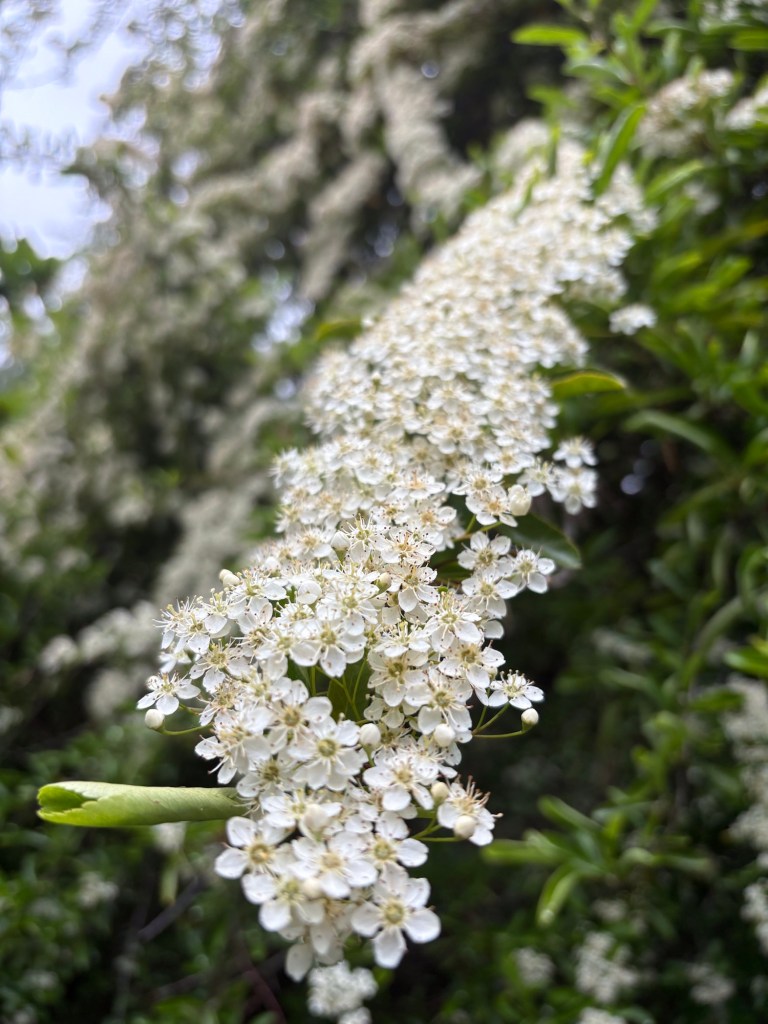
Every time I thought the garden was finished, there was always something else to see. Keeping with the its botanical garden roots, Pollen sculptures sat nicely atop wooden plinths fitting naturally into the environment.
Taking a gap through a golden yew hedge was one of the true highlights. The Evolutionary Garden represents the evolution of plants from lichens and mosses to flowering plants. I love a well planted garden but even more so when combined with impressive dry-stone walling.
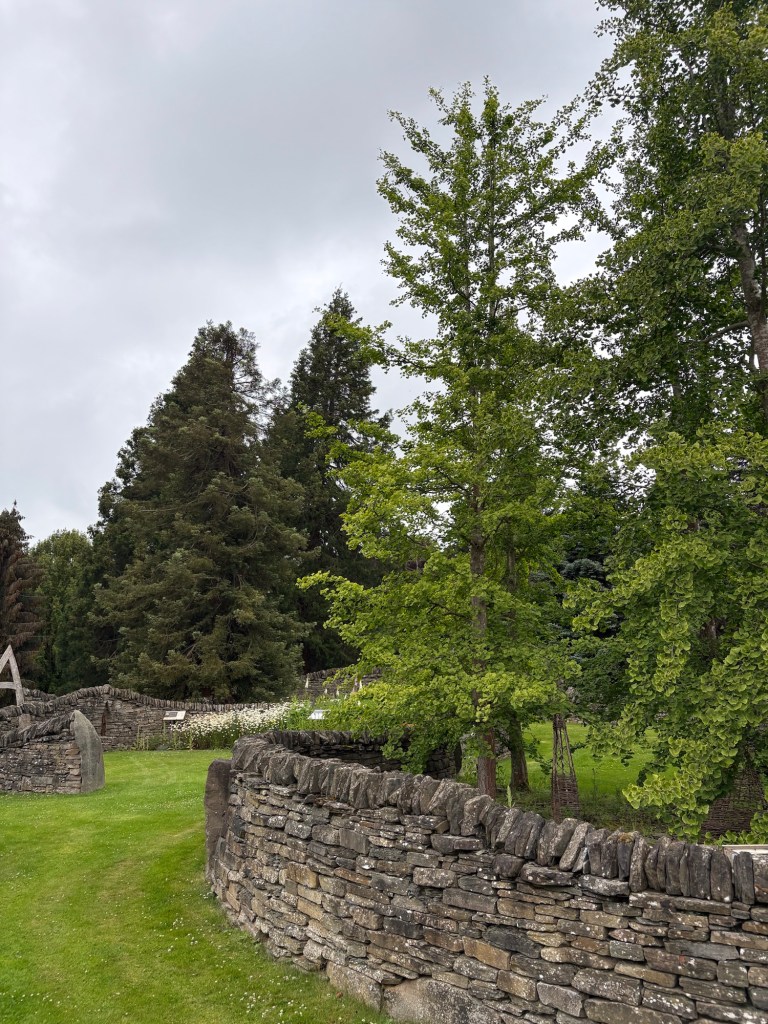
All in, the University of Dundee Botanic Garden has been well laid out and planted up with a host of rare and unusual trees from around the world, expertly maintained by skilled gardeners over the years. A garden clearly used on a number of levels to conserve plants, educate future generations, provide opportunities to be creative and be a place to heal.
Let’s hope the leaders in Dundee can all get together for some joined up thinking. This is too much of an asset in society for it to be lost forever.
First published in The Weekend supplement of The Courier and Press & Journal newspapers Saturday 27th June 2026

