Since the age of 17, one way or another I’ve always had the luxury of an outdoor space of my own to garden in. Even at times when I’ve lived in a flat my day job has always taken care of my gardening needs.
Just now I have the luxury of both which sometimes makes me feel guilty as I realise some gardeners have no plot at all to be enjoying themselves in, that opportunity just to spend time at peace outdoors amongst the sounds of nature, the warm sun on their backs, soil running through their fingers tips as they carefully nurture all their favourite plants.
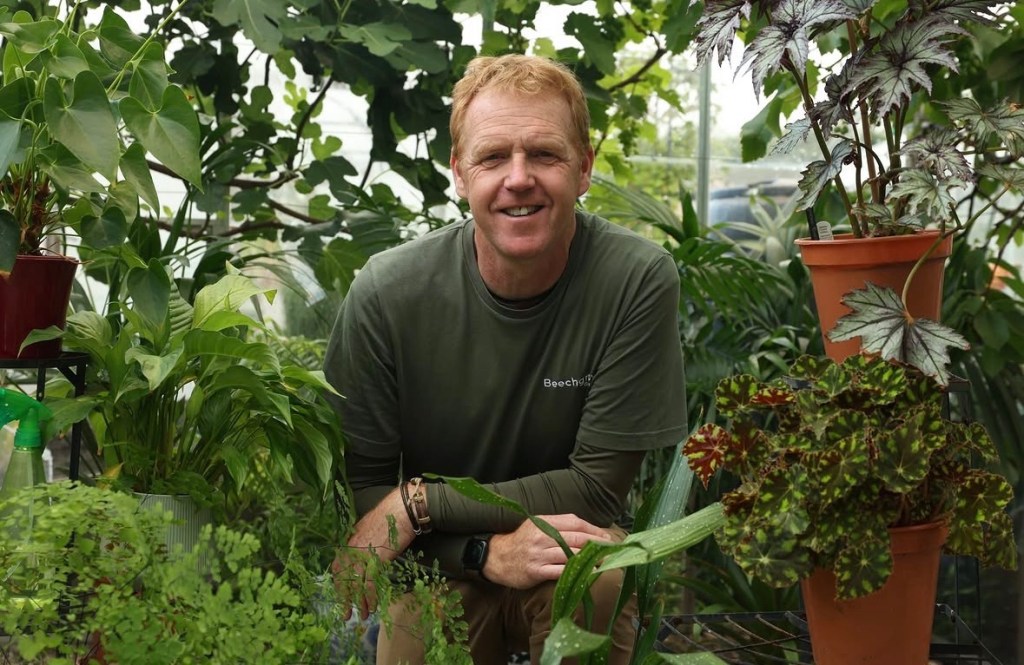
Thankfully in this situation, and also for those of us simply lovers of all things gardening, there are group of plants suitable for the home where that same colour, sense of relaxation and calm we get from our outdoor spaces, can be achieved indoors with houseplants.
Just like in our gardens our homes are not always suitable for growing any old houseplant we can pick from garden centres, supermarkets and even DIY stores, so must consider the right plant for the right place even in our homes.
One of the most familiar is the Peace Lily, botanical name Spathiphyllum wallisii. It does not appreciate intense sunlight but keeping this plant in a nice bright spot will encourage more flowers where if kept in a darker room may mean it becomes more of a foliage type plant. Which is no bad thing.
The Flamingo Flower is a showy plant with red or white waxy flowers. This plant is good example of sometimes moving plants to different positions within our home or individual rooms to get light levels just right. Another plant that doesn’t like direct sunlight as it’s leaves will brown but in winter will appreciate the additional light of a brighter so the colours of the flowers don’t fade.
Temperature wise if we’re comfortable in the rooms these are being kept then so will both of these plants be but keep away from draughts. Quite often we place plants on our windowsills then especially in winter when we close our curtains, they’re unhappily kept trapped in the colder air between window and curtain which can sometimes kill them.
Watering is one of the big challenges when keeping houseplants due to the amount of warmth and sunlight available is different in every room and in every home. With a Peace Lily, signs when this plant need a drink are the foliage could be wilting, always aim to keep the growing compost just moist to the touch, during the summer this may mean a drink up to three times a week being reduced to as little as once a fortnight over the darker winter months.
Adiantum raddianum is a strikingly delicate plant with bright green, papery leaves on long and black, elegant stems. Like lots of our houseplants, the Maidenhair Fern naturally thrives in the tropical rainforests or damp mountain cloud forests, yet we are trying to grow them in our Scottish homes which in winter has dry air due to the central heating systems we use to warm them. This plant may react negatively to this browning at the tips of the leaves if the conditions we are keeping this in aren’t right.
The warm and humid conditions found in our bathrooms may be the right spot for this plant which can also be created by simply misting the air around them a few times during the day. Another solution is to grow all the plants mentioned so far together in a tray containing clay pebbles, the additional water that gathers in the tray during watering will evaporate during warmer weather, the moist air rising into the jungle of foliage above which the plants will love.
If the plants discussed so for are tropical plants, then for conditions created by those warm and bright, south and west facing windows, we’re wanting to think desert plants. This is plants such Cycads and their palm like foliage, then cacti and succulents that have thick and fleshy stems used for storing water in to help them cope with these environments. The Crinkle leaf plant and the Jade or Money tree are two attractive examples.
Plants that like these dry conditions prefer a more free draining compost but is not the same for all houseplants, the likes of a Kentia Palm, that comes from the Lord Howe Island off the east coast of Australia, enjoys a potting mix with added composted bark and leaf mould.
Aren’t garden centres great these days those as you can get bags of compost and plant feeds for virtually every garden situation or specific plants, in this case hunt down the houseplant mix, then the cacti mix for those plants that prefer more arid conditions.
If like me you live in an older property with smaller windows so darker inside, don’t look any further than a Begonia. The leaves that come in a variety shapes, textures, edges and colours are suited perfectly for these situations, adding much needed vibrancy and interest.
As I enjoy spending as much time as I can outdoors, I’ve never really given houseplants much of a look. There’s definitely a whole new gardening world out there for me to discover.
First published in The Weekend supplement of The Courier and Press and Journal newspapers, Saturday 8th August 2026


The warning about trapping plants between a cold window and closed curtains is excellent. One refinement I would make is to avoid presenting up to three peace-lily waterings per week as a summer target: pot size, light, temperature, and mix structure can make that either appropriate or far too wet.
A safer cue is to check the top 3–4 cm of mix and the pot’s weight, then water thoroughly only when that layer has dried and let all excess drain. Drooping helps only when the soil is also dry; a drooping plant in wet mix can be showing root stress rather than thirst. For maidenhair fern, misting several times a day creates only a short humidity spike and can leave foliage repeatedly wet. Grouping plants or using a small humidifier gives a more stable result; on a pebble tray, keep the pot above the waterline.
I work on KnowYourPlant, and our indoor peace-lily guide explains the soil, drainage, seasonal, and humidity checks: https://knowyourplant.app/blog/posts/peace-lily-care-guide-indoors/ . Those measurable cues fit nicely with your right-plant, right-place approach.
LikeLike